
Discovering Urban Wildlife in Dreamtide: A Guide
May 2025

- Identify common urban animal habitats near you.
- Learn about the adaptations of city-dwelling creatures.
- Find out how urban animals contribute to the ecosystem.
Understanding Urban Wildlife Adaptations in Dreamtide
The fascinating realm of urban wildlife reveals remarkable adaptation strategies. Learn how squirrels navigate city parks, birds find nesting sites amidst buildings, and foxes adapt their hunting techniques.
Explore the unique survival mechanisms of these animals, from altered diets to adjusted sleep patterns. Understand how they coexist with humans and make the most of urban resources.
Discover the hidden world of urban wildlife and learn how these animals thrive in the city. By understanding their adaptations, we can help them coexist harmoniously.
Urban Wildlife Insights
Why Observe Urban Animals with Dreamtide?
Discover the surprising lives of animals thriving in our cities. From playful squirrels to elusive owls, urban wildlife offers a unique glimpse into nature's resilience.
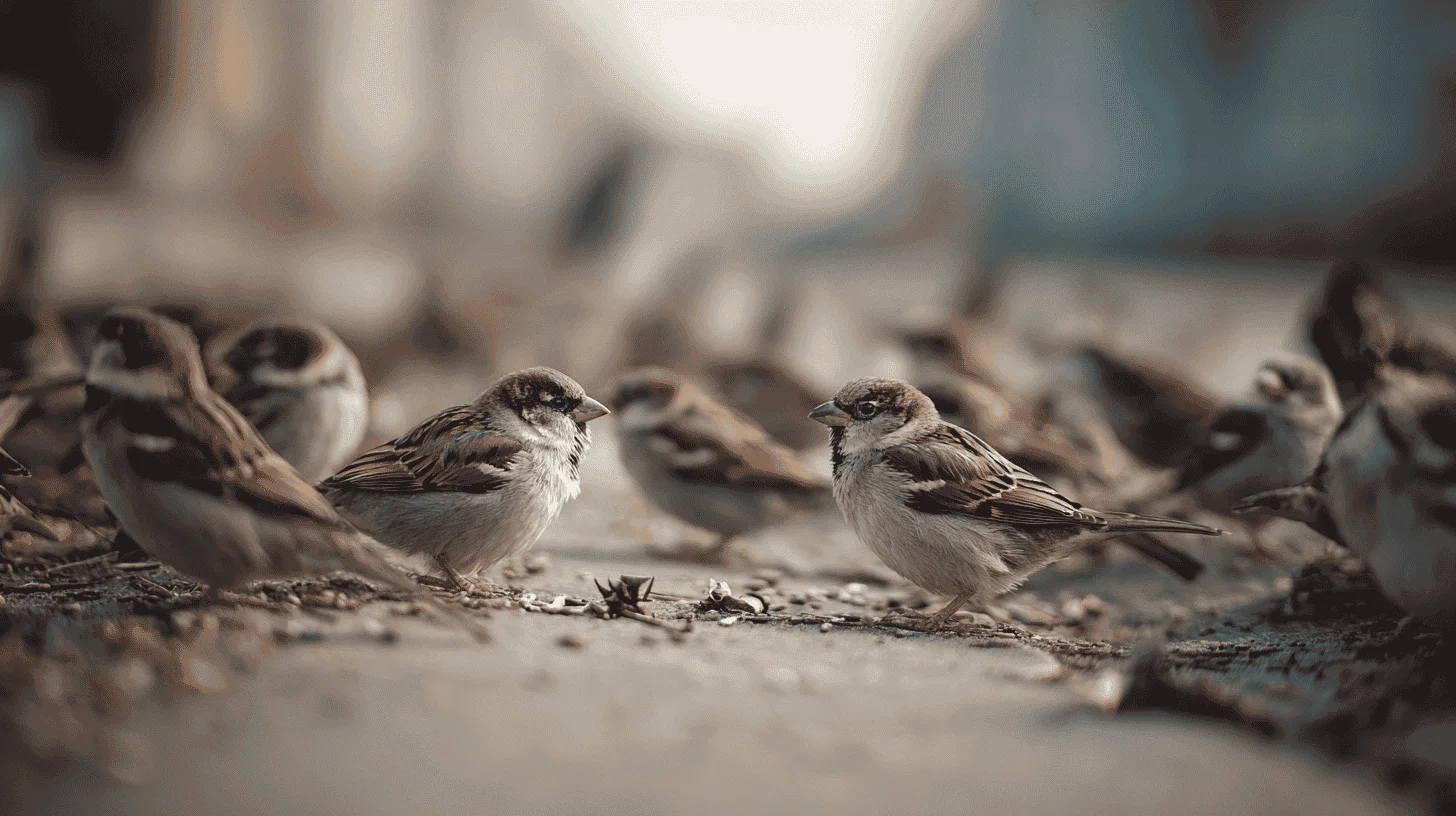

Accessibility for All
Observe animals in parks, gardens, and even your own backyard. Urban wildlife is all around us, offering accessible nature experiences.

Year-Round Observation
Witness seasonal changes in behavior, from nesting birds in spring to foraging mammals in autumn.

Educational Opportunities
Learn about local ecosystems, animal adaptations, and conservation efforts in urban environments.
Observing Urban Wildlife in Dreamtide
NATURETHRIVES
EVENHERE,NOWWITHADAPTIVE STRATEGIESTHAT
KEEPS THEMSURVIVING


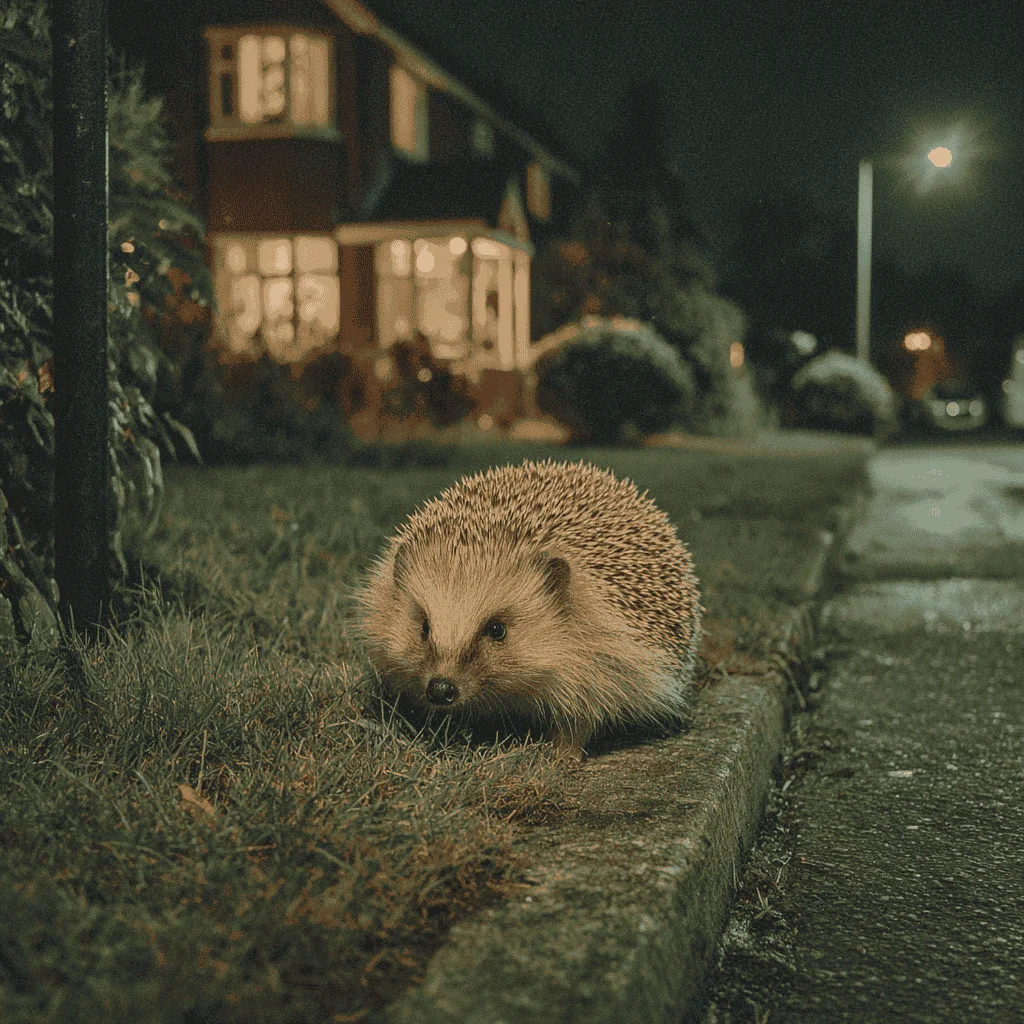
Observing Nocturnal Animals: Owls and Bats
Discover the nighttime habits of owls and bats as they hunt and navigate the urban environment. Learn how to identify their calls and behaviors.
Featured Urban Wildlife Encounters
Explore captivating stories of animals thriving in unexpected urban environments. These encounters highlight the adaptability and resilience of nature in our cities.

City Foxes
Discover the secret lives of foxes as they navigate urban landscapes. Learn about their hunting strategies, family dynamics, and interactions with humans.

Urban Owls
Uncover the presence of owls in our cities, from their nocturnal hunting habits to their unique adaptations for silent flight. Find out how they contribute to the urban ecosystem.
Observing Urban Wildlife: Key Aspects
Exploring the world of urban wildlife offers unique opportunities to witness nature's resilience and adaptability. Learn about the key aspects of observing these creatures in their urban habitats. Here are some key elements to consider.
Identifying Species
Learn to recognize common urban animals and birds by their appearance, sounds, and behaviors. This knowledge enhances your observation experience.
Understanding Habitats
Explore the different types of urban habitats where wildlife thrives, from parks and gardens to abandoned buildings and waterways.
Ethical Observation
Practice responsible observation techniques to minimize disturbance to animals and their habitats. Respect their space and avoid feeding them.
Contributing to Conservation
Support local conservation efforts and report your sightings to help track urban wildlife populations and protect their habitats.
Urban Wildlife in Dreamtide: Key Facts
Urban Wildlife Statistics
50+
Bird species identified
10+
Mammal species documented
75%
Green spaces supporting wildlife
24/7
Wildlife activity observable
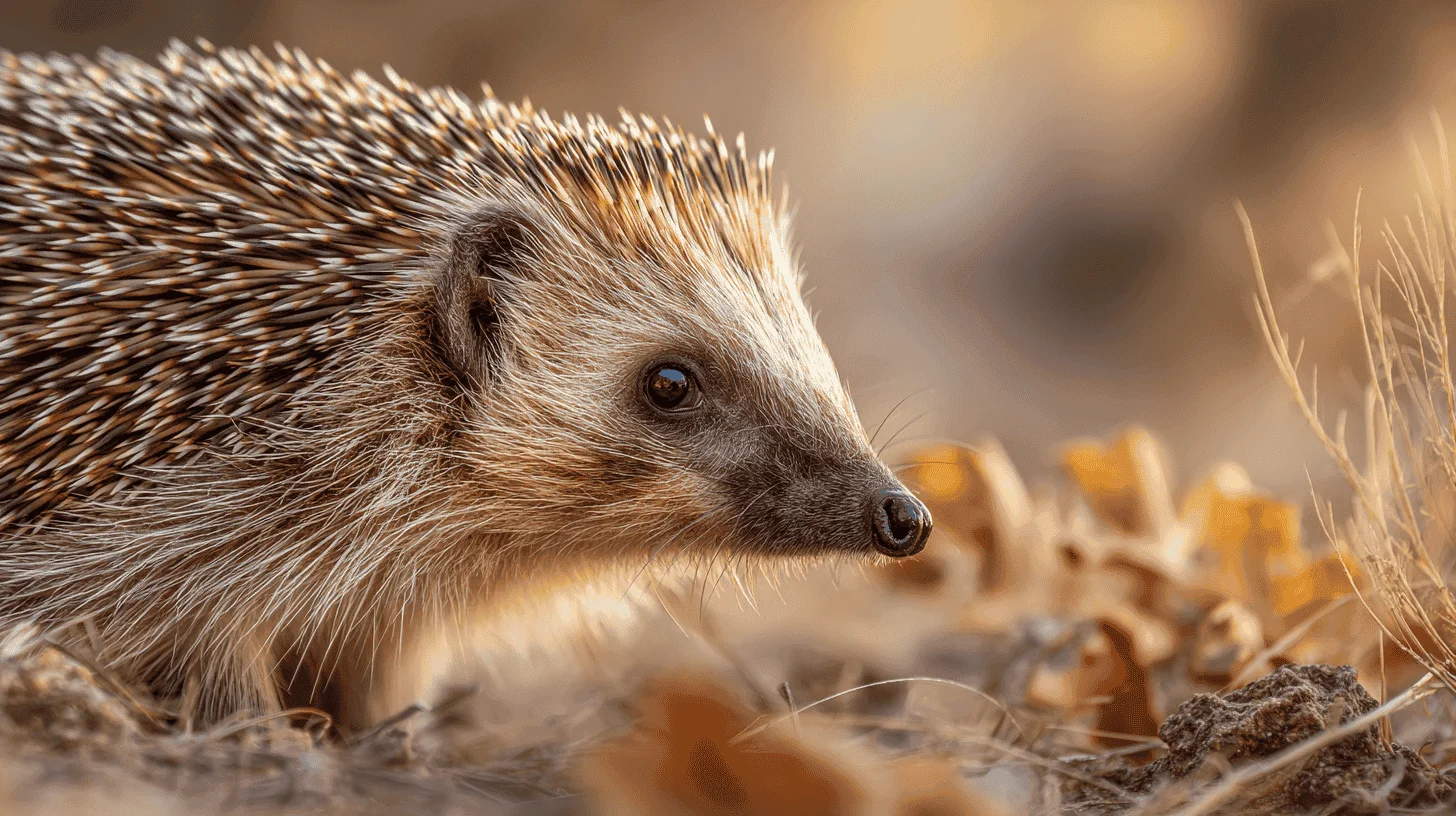
Urban Wildlife Observation Tips
Safe Observation Practices
Maintain a respectful distance from animals, avoid approaching their nests or young, and never attempt to feed or touch them. Your safety and their well-being are paramount.
Best Times to Observe
Early morning and late evening are often the best times to observe urban wildlife, as many animals are most active during these hours. Be patient and observant.
Identifying Animal Tracks
Learn to recognize animal tracks and signs, such as footprints, droppings, and scratches, to gain insights into their movements and activities in urban areas.
Creating Wildlife-Friendly Spaces
Transform your garden or balcony into a haven for urban wildlife by providing food, water, shelter, and nesting sites. Plant native plants and avoid using pesticides.
Frequently Asked Questions About Urban Wildlife
REPORT YOUR WILDLIFE SIGHTING
HELP US TRACK URBAN ANIMALS